Starting an internet center business plan is an exciting opportunity in today’s digital world. Whether you’re looking to offer internet access, printing services, or gaming setups, having a well-thought-out internet center business plan is essential for success.
A clear plan will not only help you stay organized but also guide you through the process of setting up, managing, and growing your business. In this article, we’ll walk you through the key steps to creating a solid business plan that can turn your internet center into a thriving business.
Why You Need an Internet Center Business Plan
Having a well-structured business plan is crucial for the success of your internet center. It guides your decisions and helps you stay on track. Here are the key reasons why you need one:
Benefits of Planning for Your Internet Center
- Clear Vision and Direction: A business plan gives you a clear roadmap of where you want your internet center to go.
- Better Decision Making: With a plan in hand, you can make informed decisions about services, pricing, and expansion.
- Attracts Investors and Partners: A solid plan makes it easier to secure funding and partnerships.
- Helps Manage Risks: Identifying potential challenges in advance lets you prepare solutions.
How a Business Plan Helps with Growth and Sustainability
- Guides Long-Term Growth: A detailed plan lays out how your internet center will grow over time.
- Helps Track Progress: Regularly reviewing your plan helps ensure you’re meeting your goals and making adjustments as needed.
- Optimizes Resource Use: It helps you allocate resources like money, time, and staff more effectively.
- Ensures Financial Stability: A business plan ensures you’re financially ready for unexpected expenses and opportunities.
Key Components of an Internet Center Business Plan
A well-structured business plan includes several key components that will help you define and execute your internet center’s goals. Here’s a breakdown of the essential sections:
Executive Summary: Overview of the Business Idea
- Business Concept: A brief description of your internet center, including the services you offer.
- Mission and Vision: What you aim to achieve and your long-term goals.
- Business Objectives: Clear, measurable goals for the first year and beyond.
- Target Market: A snapshot of your potential customers.
Market Research: Target Audience and Competitive Analysis
- Target Audience: Understand the demographics of your ideal customers (age, income, location).
- Competitive Analysis: Identify your competitors and analyze their strengths and weaknesses.
- Market Trends: Look at how the internet and tech industry is evolving to stay ahead.
- Customer Needs: Research what your target audience wants and how you can meet those needs.
Services Offered: Types of Services Your Internet Center Will Provide
- Internet Access: High-speed internet for browsing, work, and communication.
- Printing and Scanning: Providing printing, scanning, and photocopying services.
- Gaming Stations: Offering gaming PCs or consoles for customers who want to play online.
- Training and Workshops: Organizing digital skills training, internet safety workshops, etc.
- Other Services: Wi-Fi rentals, phone charging stations, and more based on demand.
Marketing Strategy: How to Attract and Retain Customers
- Online Presence: Build a website and social media accounts to promote services.
- Local Advertising: Flyers, posters, and partnerships with local businesses to spread the word.
- Loyalty Programs: Offer discounts or free services for frequent customers.
- Customer Engagement: Regular updates, contests, or events to keep customers coming back.
Financial Plan: Budget, Revenue Projections, and Funding Needs
- Startup Costs: Include the costs for equipment, licenses, and initial marketing.
- Revenue Streams: Identify how your business will make money (hourly rates, membership plans, etc.).
- Financial Projections: Estimate how much you expect to earn in the first year and beyond.
- Funding Requirements: If you need external funding, specify how much and for what purpose.
Operational Plan: Daily Operations, Staffing, and Infrastructure Needs
- Daily Operations: Outline how the business will run on a day-to-day basis (hours, services, staff roles).
- Staffing: Define the number of staff needed and their job responsibilities (cashiers, IT support, etc.).
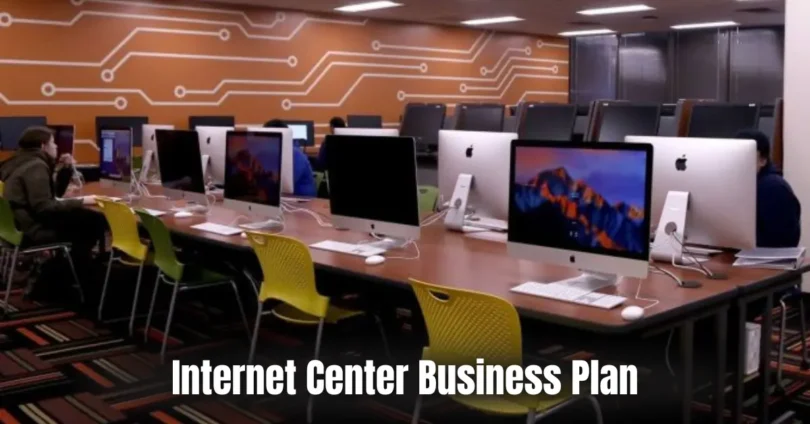
- Infrastructure: Describe the physical setup (space, equipment, internet connectivity) required.
- Maintenance: Plan for regular checks, upgrades, and troubleshooting to keep everything running smoothly.
Creating a Marketing Strategy for Your Internet Center
A strong marketing strategy is key to attracting and retaining customers for your internet center. Below are some effective online and offline marketing techniques, along with ways to build partnerships and engage with the community.
Online Marketing Techniques
- Social Media Presence: Create profiles on platforms like Facebook, Instagram, and Twitter to engage with customers, share promotions, and updates.
- Search Engine Optimization (SEO): Optimize your website to appear in search results when people search for internet center services in your area.
- Online Ads: Use Google Ads or Facebook ads to target local customers who might need your services.
- Email Marketing: Build an email list and send regular updates, promotions, or special offers to encourage repeat business.
Offline Marketing Techniques
- Flyers and Posters: Distribute flyers and posters in local cafes, libraries, schools, and shops to promote your internet center.
- Local Advertising: Advertise in local newspapers or magazines that your target audience reads.
- Discount Offers: Give out coupons or time-limited discounts to new customers to encourage them to try your services.
- Events and Promotions: Host special events like gaming tournaments or internet training workshops to attract more foot traffic.
Partnerships and Community Outreach
- Collaborate with Local Businesses: Partner with nearby cafes, bookstores, or schools to offer bundled services or cross-promotions.
- Sponsor Local Events: Sponsor community events like school fairs or local sports competitions to increase brand visibility.
- Charity Initiatives: Host charity events or community outreach programs to show that your business cares about the local community.
- Educational Partnerships: Team up with schools or universities to offer discounted rates for students and teachers, increasing your customer base.
Funding and Financial Considerations for an Internet Center
Understanding your funding needs and managing finances effectively is crucial to launching and sustaining a successful internet center. Here’s how to approach startup costs, funding, and financial forecasting:
How to Estimate Startup Costs
- Equipment and Technology: Budget for computers, printers, Wi-Fi routers, and other tech equipment.
- Rent and Utilities: Include the cost of leasing a space and monthly utility bills like electricity, water, and internet services.
- Licensing and Permits: Factor in the cost of obtaining business licenses, insurance, and other legal requirements.
- Renovations and Furnishings: Estimate expenses for setting up the space, including furniture, decor, and any necessary renovations.
- Marketing and Advertising: Budget for initial marketing efforts like flyers, ads, and online promotions to attract customers.
Finding Investors or Securing Loans
- Seek Investors: Look for angel investors or venture capitalists who are interested in supporting small businesses in the tech space.
- Apply for Bank Loans: Approach local banks or credit unions to inquire about small business loans that can cover startup costs.
- Government Grants and Subsidies: Research government programs that provide grants or subsidies for new businesses, especially those in technology or education.
- Crowdfunding: Consider crowdfunding platforms like Kickstarter or GoFundMe to raise money from a community of supporters.
Profit Margins and Financial Forecasting
- Understand Your Costs: Calculate how much it will cost to operate your internet center monthly, including staff salaries, rent, and utilities.
- Set Pricing Plans: Determine how much to charge for services (e.g., hourly internet access, gaming sessions, printing) to ensure you’re covering your costs and making a profit.
- Estimate Revenue: Forecast monthly and yearly income based on the number of customers you expect to serve.
- Monitor Cash Flow: Regularly track cash flow to ensure you’re bringing in enough money to cover operating expenses and reinvest in your business.
- Adjust Based on Results: Continuously adjust your pricing and services based on customer demand and financial performance to maximize profitability.
Challenges in Running an Internet Center and How to Overcome Them
Running an internet center comes with several challenges, but with the right strategies, you can overcome them and ensure your business thrives. Below are some common hurdles and solutions to help you navigate them.
Common Hurdles
- Intense Competition: The internet center market can be competitive, with multiple centers vying for the same customers.
- Changing Technology: Technology evolves quickly, and keeping up with the latest trends can be challenging and costly.
- Maintenance Costs: The cost of maintaining and upgrading computers, routers, and other equipment can add up.
- Customer Retention: Attracting customers is one thing, but keeping them coming back can be harder.
- Security Issues: Ensuring customer data and your center’s equipment remain secure is essential, especially with increasing cyber threats.
Solutions and Strategies for Handling These Challenges
- Differentiation:
- Offer unique services, such as specialized workshops, gaming events, or loyalty programs, to stand out from competitors.
- Focus on excellent customer service and building relationships to keep customers loyal.
- Stay Updated with Technology:
- Invest in regular upgrades and tech maintenance to stay current with the latest software and hardware.
- Partner with technology providers for support and discounts on equipment.
- Reduce Maintenance Costs:
- Set aside a portion of your monthly income for maintenance and upgrades to avoid unexpected expenses.
- Outsource IT support for cost-effective maintenance and troubleshooting.
- Customer Engagement:
- Use loyalty programs, discounts, or personalized offers to keep customers returning.
- Keep customers engaged by hosting regular events or introducing new services like co-working spaces or study areas.
- Invest in Cybersecurity:
- Install reliable antivirus and firewall software to protect both your network and customer data.
- Train staff on cybersecurity best practices and conduct regular audits.
Conclusion
Running an internet center can be both rewarding and challenging. By understanding common hurdles like competition, technology changes, and maintenance costs, you can take steps to overcome them.
With a solid plan, a focus on customer engagement, and smart financial management, your internet center can thrive and grow. Stay adaptable, keep improving, and success will follow!