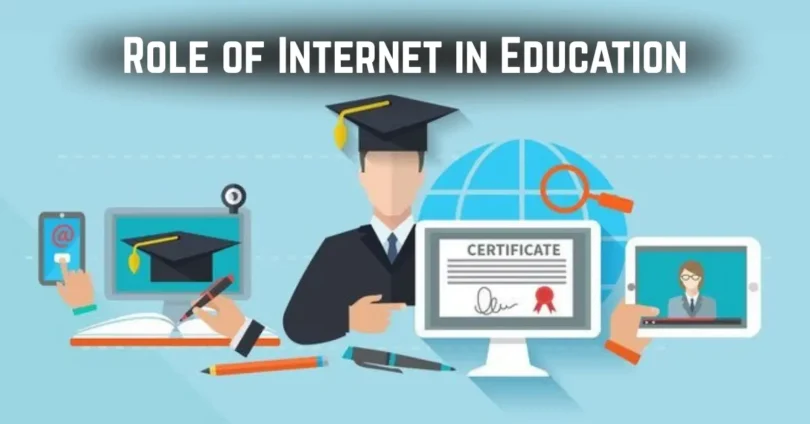
The role of internet in education has become more important than ever before. With the rise of technology, the internet has transformed the way students learn and access information. The role of internet in education is not just about browsing websites or watching videos; it’s about opening new doors to learning, connecting students and teachers globally, and making education more flexible and accessible.
Whether it’s online classes, interactive tools, or endless resources, the internet has made learning easier and more exciting for students all over the world.
How the Internet Enhances Access to Education
Global Access to Online Courses and Learning Resources
- The internet makes education accessible to anyone, anywhere in the world.
- Online platforms like Coursera, edX, and Khan Academy offer courses from top universities.
- Students can access thousands of learning materials, including textbooks, articles, and videos.
- The ability to study at your own pace from home or any location makes learning more flexible.
Breaking Down Geographical Barriers to Education
- Students no longer need to live near schools or universities to get quality education.
- Rural and remote areas can now access online programs, making education more inclusive.
- Global connectivity allows students to learn from teachers and peers worldwide.
- With internet access, anyone with a device can participate in global learning communities.
Role of Internet in Improving Learning Methods
Use of Multimedia (Videos, Podcasts) to Enhance Learning
- Videos and podcasts bring lessons to life, making complex topics easier to understand.
- Visual and audio elements help cater to different learning styles, whether visual, auditory, or kinesthetic.
- Students can pause and replay content, ensuring they fully grasp the material at their own pace.
- Platforms like YouTube, TED Talks, and educational podcasts provide diverse, engaging learning experiences.
Interactive Learning Platforms and Tools
- Tools like quizzes, simulations, and games make learning more engaging and fun.
- Online platforms, such as Duolingo for language learning or Google Classroom for assignments, encourage active participation.
- Interactive lessons help students practice skills in real-time, reinforcing what they learn.
- Virtual labs and simulations allow students to experiment safely in subjects like science and engineering.
Role of Internet in Collaborative Learning
Online Forums, Discussion Groups, and Collaborative Tools
- Students can participate in online forums to ask questions, share ideas, and discuss topics.
- Platforms like Reddit, Stack Exchange, and Quora allow for knowledge sharing in a collaborative environment.
- Tools like Google Docs and Microsoft Teams enable real-time collaboration on assignments and projects.
- Online study groups encourage group discussions, helping students understand different perspectives.
Peer-to-Peer Learning and Global Collaboration
- Students from different parts of the world can collaborate on projects, learning from each other’s cultures and experiences.
- Peer-to-peer learning fosters a deeper understanding, as explaining concepts to others reinforces one’s own knowledge.
- Platforms like Skype and Zoom allow students to work together, even if they’re continents apart.
- Global collaboration also helps students build skills needed for a connected world, such as teamwork and communication.
Role of Internet in Supporting Personalized Learning
Tailored Learning Experiences and Adaptive Learning Systems
- Adaptive learning platforms adjust lessons based on a student’s individual progress and performance.
- Websites like Khan Academy or Coursera offer personalized courses that adjust to the learner’s skill level.
- Students can choose the pace of their learning, focusing on areas they need more help with.
- Customizable learning paths allow students to explore topics in more depth or skip ahead if they already understand the material.
Role of AI and Data in Customizing Education
- Artificial Intelligence (AI) uses data to create a personalized learning journey for each student.
- AI-powered systems analyze how a student learns and adapt the content to suit their strengths and weaknesses.
- Data from quizzes, assignments, and activities help to track progress and suggest areas for improvement.
- Personalized feedback through AI tools helps students understand their mistakes and improve faster.
Role of Internet in Enhancing Teacher-Student Communication
Virtual Classrooms and Communication Tools
- Virtual classrooms like Zoom, Google Meet, and Microsoft Teams allow teachers and students to interact in real time, no matter where they are.
- These platforms offer video, audio, and chat options, making communication more flexible and interactive.
- Students can easily share their screens, ask questions, and collaborate with peers during live lessons.
- Tools like email, messaging apps, and discussion boards provide ongoing support and connection outside class hours.
Immediate Feedback and Teacher Availability
- The internet allows teachers to provide instant feedback on assignments, quizzes, and projects.
- Online platforms allow students to ask questions and get quick answers, promoting a more dynamic learning environment.
- Teachers can monitor progress in real-time and offer help whenever needed, even outside regular school hours.
- With online office hours and personalized communication, students feel more connected and supported.
Challenges and Risks of Internet in Education
Digital Divide and Access Inequality
- Not all students have equal access to the internet, creating a gap between those who can and cannot participate in online education.
- Rural areas or low-income families often struggle with unreliable or slow internet connections.
- Lack of devices (laptops, tablets) can limit students’ ability to take part in online classes and assignments.
- The digital divide worsens existing inequalities, preventing some students from accessing quality education resources.
Issues of Distraction and Lack of Supervision
- The internet offers easy access to entertainment, social media, and other distractions, making it hard for students to stay focused on studies.
- Without in-person supervision, students may procrastinate or lose interest in their lessons.
- Online learning can feel isolating, leading to a lack of motivation and engagement for some students.
- The temptation of multitasking (e.g., checking social media during class) can impact the quality of learning.
Future Outlook: Role of Internet in Education
Emerging Technologies (AI, VR) in Education
- Artificial Intelligence (AI) is making personalized learning more advanced, with systems that adapt to each student’s unique needs in real-time.
- Virtual Reality (VR) will provide immersive learning experiences, allowing students to explore subjects like history or science in 3D environments.
- AI-driven tools will help teachers identify struggling students and suggest targeted interventions quickly.
- Virtual classrooms and interactive simulations powered by VR and AI will make education more engaging and hands-on.
Predictions for the Next Decade of Online Learning
- By 2030, online learning platforms will become even more integrated into mainstream education, offering hybrid learning models.
- Increased use of AI tutors will support students 24/7, providing assistance outside traditional school hours.
- Learning will become more global, with students from different countries collaborating on projects and learning from diverse perspectives.
- 5G and better internet infrastructure will bridge the digital divide, making high-speed internet accessible to more remote areas and ensuring smoother learning experiences.
Frequently Asked Questions (FAQs) on the Role of Internet in Education
How does the internet improve education?
The internet provides access to online courses, resources, and tools that make learning more flexible, interactive, and personalized. It connects students and teachers globally, breaking down geographical barriers.
What are the benefits of using the internet in education?
The internet enhances access to learning materials, supports personalized learning, fosters collaboration, and enables real-time feedback from teachers. It makes education more accessible to everyone.
Are there any risks to using the internet for education?
Yes, challenges include the digital divide (unequal access to technology) and distractions from social media or entertainment. Lack of supervision can also affect students’ focus during online learning.
How can emerging technologies like AI and VR help in education?
AI can personalize learning by adapting lessons to each student’s needs, while VR offers immersive learning experiences, allowing students to explore subjects in 3D and interact with the content in new ways.
Will the internet replace traditional schools in the future?
While the internet is changing education, it will likely complement traditional schooling, offering hybrid models that combine online and in-person learning for a more flexible and inclusive experience.
How can the internet make learning more collaborative?
The internet enables students to collaborate globally through online forums, discussion groups, and shared learning platforms. Tools like Google Docs and Zoom help students work together in real-time, no matter where they are.
Can students learn effectively with the internet at home?
Yes, with the right resources, the internet can provide a rich learning experience. However, it’s important to stay focused and have a structured learning environment at home to avoid distractions.
Conclusion
The role of internet in education is transforming how we learn and teach. It offers students access to endless resources, personalized learning, and global collaboration. While there are challenges like the digital divide and distractions, the future looks promising.
With technologies like AI and VR, education will continue to evolve, making learning more interactive and accessible for everyone. The internet is not just changing education; it’s shaping the future of learning itself.