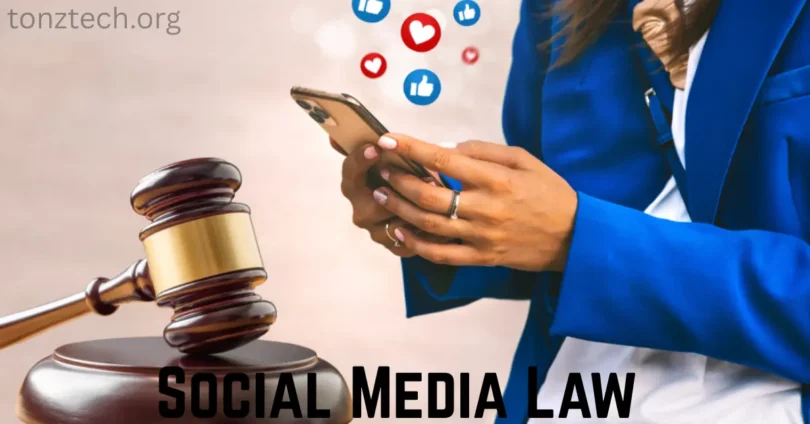
Social Media Law is a set of rules that guide how people and companies should behave on online platforms like Facebook, Instagram, TikTok, and X (Twitter). It helps protect users from fake news, online bullying, and privacy violations. In simple words, it keeps the digital world safe and fair for everyone.
As social media grows every day, these laws make sure freedom of speech is respected while also stopping harmful or illegal activities. Understanding social media law is important for every user because it teaches us how to use the internet responsibly and safely.
The Purpose of Social Media Law
The main purpose of social media law is to keep the online world safe, fair, and respectful. It protects people from harm and makes sure that everyone uses social media in a responsible way.
- Protect Users’ Privacy: Keeps personal information safe from hackers, scams, or misuse.
- Maintain Freedom of Speech: Allows people to share their opinions without fear, but within legal limits.
- Stop Cyberbullying and Harassment: Prevents online abuse, hate speech, and digital threats.
- Fight Against Fake News: Helps reduce the spread of false or harmful information.
- Promote Online Responsibility: Reminds users to respect others and follow community rules.
- Protect Content Ownership: Ensures that creators’ videos, photos, or posts are not stolen or copied.
- Support Legal Action: Gives authorities the power to act when someone breaks online laws.
Social media law builds trust and safety on the internet. It helps people enjoy their online freedom while making sure that no one uses it to harm others.
The Evolution of Social Media Law
Social media law has grown and changed over time as online platforms became more popular and powerful. These laws developed to handle new challenges and protect people in the digital world.
- Early Internet Era: There were very few rules. People could post almost anything without facing legal limits.
- Rise of Social Platforms: When Facebook, YouTube, and Twitter appeared, governments saw the need for online control and safety.
- Cybercrime Awareness: Online scams, hacking, and fake profiles increased, which pushed countries to create digital safety laws.
- Data Privacy Concerns: After incidents like data leaks, laws such as the GDPR (Europe) were made to protect user information.
- Misinformation Era: Fake news and hate speech became serious problems, so stricter rules were introduced to stop harmful content.
- Modern Digital Governance: Today, most nations have legal systems that guide social media use, balancing free speech and online safety.
- AI and Future Regulation: Governments are now working on new laws to manage artificial intelligence, digital ads, and content moderation.
Social media law has evolved from simple rules to strong global systems that protect users and promote a safer digital world.
Key Areas Covered Under Social Media Law
Social media law covers many important areas that help keep the internet safe, fair, and respectful. These rules guide both users and platforms on what is right and wrong in the online world.
- Privacy Protection: Safeguards users’ personal data, photos, and online activities from being misused or stolen.
- Cyberbullying and Harassment: Stops people from using social media to threaten, insult, or harm others.
- Fake News and Misinformation: Controls the spread of false or misleading information that can cause confusion or panic.
- Copyright and Content Ownership: Protects creators’ work, such as videos, images, and posts, from being copied without permission.
- Defamation and Reputation Protection: Prevents users from posting false claims that damage someone’s name or business.
- Online Fraud and Scams: Fights against fake accounts, identity theft, and online money scams.
- Advertising and Transparency: Ensures that paid ads and promotions are honest and clearly marked.
- Freedom of Speech and Responsibility: Balances people’s right to express opinions with the need to avoid harmful or illegal content.
These key areas work together to build a safer online space where people can connect, create, and communicate with trust and respect.
Major Global Examples of Social Media Laws
Different countries have made their own social media laws to protect users, control harmful content, and maintain online order. Each law reflects how nations handle digital safety and free speech.
- 🇺🇸 United States – Section 230 of the Communications Decency Act:
Protects online platforms from being held responsible for what users post, but allows removal of harmful or illegal content. - 🇪🇺 European Union – GDPR (General Data Protection Regulation):
Focuses on user privacy and data protection, giving people control over how their personal information is used online. - 🇮🇳 India – Information Technology (IT) Rules 2021:
Requires social media platforms to remove fake news, hateful posts, or unlawful content quickly and appoint officers for user safety. - 🇵🇰 Pakistan – PECA (Prevention of Electronic Crimes Act) 2016:
Aims to stop cyberbullying, online fraud, and hate speech while protecting citizens’ digital rights. - 🇬🇧 United Kingdom – Online Safety Bill:
Seeks to make the internet safer by holding platforms responsible for preventing harmful or abusive content. - 🇦🇺 Australia – Online Safety Act 2021:
Gives authorities power to remove harmful material, protect children, and take quick action against cyber abuse.
These global examples show that every country is working to make social media safer, more transparent, and fair for all users.
Rights and Responsibilities of Social Media Users
Every person who uses social media has certain rights to express themselves freely but also responsibilities to use these platforms wisely and respectfully.
- Freedom of Expression: Users can share their thoughts, opinions, and creativity without fear as long as it doesn’t harm others.
- Right to Privacy: Everyone has the right to protect their personal data, photos, and conversations from misuse.
- Right to Information: Users can access truthful and transparent information from trusted online sources.
- Right to Safety: People have the right to a safe online space free from harassment, hate speech, or cyberbullying.
- Right to Content Ownership: Whatever a person creates online belongs to them and cannot be copied without permission.
Social media rights give users freedom, but responsibilities ensure that this freedom is used with care and respect for others.
Role of Social Media Companies
Social media companies play a very important role in keeping their platforms safe, fair, and enjoyable for everyone. They must follow laws, protect users, and act responsibly in the digital world.
- Content Monitoring: Keep an eye on posts, videos, and comments to remove harmful, violent, or illegal material.
- User Data Protection: Safeguard users’ personal information and make sure it is not sold or shared without permission.
- Reporting and Complaint Systems: Provide easy tools for users to report fake news, harassment, or abuse.
- Law Compliance: Work with governments to follow legal rules like privacy laws and cybercrime regulations.
- Use of Technology: Apply artificial intelligence (AI) to detect hate speech, fake accounts, and false information.
- Transparency Reports: Regularly share public reports showing how content is reviewed or removed.
- Community Guidelines: Create clear rules that explain what users can and cannot post.
- Promoting Digital Safety: Run campaigns or features that teach people how to stay safe online.
Social media companies are the backbone of online safety. Their active role helps create a trusted digital space where people can share, connect, and express freely.
Challenges in Enforcing Social Media Law
Even though social media laws exist, it is not always easy to apply them. The online world is huge and changes very fast, making it difficult for governments to control everything effectively.
- Global Nature of Social Media: Platforms operate across many countries, but every nation has different laws and rules.
- High Volume of Content: Millions of posts are uploaded daily, making it impossible to monitor everything instantly.
- Fake Accounts and Hidden Identities: Many users hide behind fake profiles, making it hard to track or punish offenders.
- Balancing Freedom and Control: Authorities must protect free speech while stopping hate or harmful content — a tough balance to maintain.
- Slow Legal Processes: Legal actions often take a long time, while online problems spread within minutes.
- Lack of Awareness: Many users don’t understand online laws, leading to unintentional rule-breaking.
- Technology Challenges: New tools like AI and deepfakes create problems that old laws cannot easily handle.
- Limited Resources: Some countries lack strong technology or funds to properly enforce online safety laws.
Enforcing social media laws is a complex task that needs global teamwork, better technology, and public awareness to create a safer digital future.
The Future of Social Media Law
As technology grows and social media becomes more powerful, new laws will continue to evolve to keep users safe, protect privacy, and guide online behavior in a fair way.
- AI and Automation Rules: Governments will create new laws to control how artificial intelligence is used for content moderation and data analysis.
- Stronger Privacy Protections: Future laws will focus on giving users more control over their personal data and how it’s shared.
- Global Cooperation: Countries may work together to form international digital rules that apply to all major platforms.
- Digital Education: Schools and organizations will teach people about digital rights, online ethics, and cyber safety.
- Smarter Content Regulation: Advanced systems will detect hate speech, fake news, and harmful posts faster and more accurately.
- Clear Accountability: Social media companies will face stricter requirements to be open about how they manage user data and remove content.
- Protection for Children and Teenagers: Future laws will add extra safety features to protect young users from harmful or adult content.
- Transparency and Trust: Users will have easier access to information about how their data is used and how online decisions are made.
The future of social media law will be smarter, stronger, and more connected focusing on safety, privacy, and fairness for everyone online.
Common FAQs About Social Media Law
Some faqs of Social Media Law:
What happens if someone breaks social media law?
If a person violates social media law, they may face legal action such as fines, account suspension, or even jail time depending on how serious the offense is.
Can deleted social media posts still be used as evidence in court?
Yes. Even if a post is deleted, authorities can recover it through legal processes or backups to use as digital evidence.
Are memes and jokes covered under social media law?
Yes. While jokes and memes are allowed, they must not spread hate, insult religions, or harm anyone’s reputation otherwise, they can break the law.
Do social media influencers have legal responsibilities?
Absolutely. Influencers must follow rules for honest advertising, avoid fake promotions, and clearly label paid partnerships to stay lawful.
Is sharing screenshots of private chats legal?
No, not without consent. Sharing someone’s private messages or photos without permission can violate privacy and data protection laws.
Can children or teenagers be punished under social media law?
Yes, but usually in lighter ways. Many countries have special digital safety programs or counseling instead of heavy punishment for minors.
How does social media law handle online threats or blackmail?
Such actions are treated as cybercrimes. Laws allow authorities to trace the sender and take strict legal action for harassment or extortion.
Are political posts or opinions protected under social media law?
Yes, expressing political opinions is allowed but spreading hate, violence, or fake information about political groups is not.
Can companies be punished for user-generated content on their platforms?
Yes, if companies ignore harmful content or fail to act quickly, they can face heavy fines or temporary bans by the government.
What is the future goal of social media law?
The future goal is to create a safe, transparent, and responsible digital world where technology and human rights grow together.
Conclusion
Social Media Law is not just about controlling online behavior it is about shaping a responsible digital culture. As technology continues to evolve, these laws help create trust between users, companies, and governments. They encourage fair communication, protect creative voices, and build a space where truth and respect can grow together.
The real power of social media law lies in awareness when people understand their rights and limits, they can use the internet wisely and safely. In the end, these laws are not barriers but bridges toward a more ethical and connected online world.